Korean Bibimbap
Highlighted under: Favorite World Food Recipes
Korean Bibimbap is a vibrant and nutritious dish that brings together a variety of vegetables, rice, and protein, all topped with a delicious gochujang sauce.
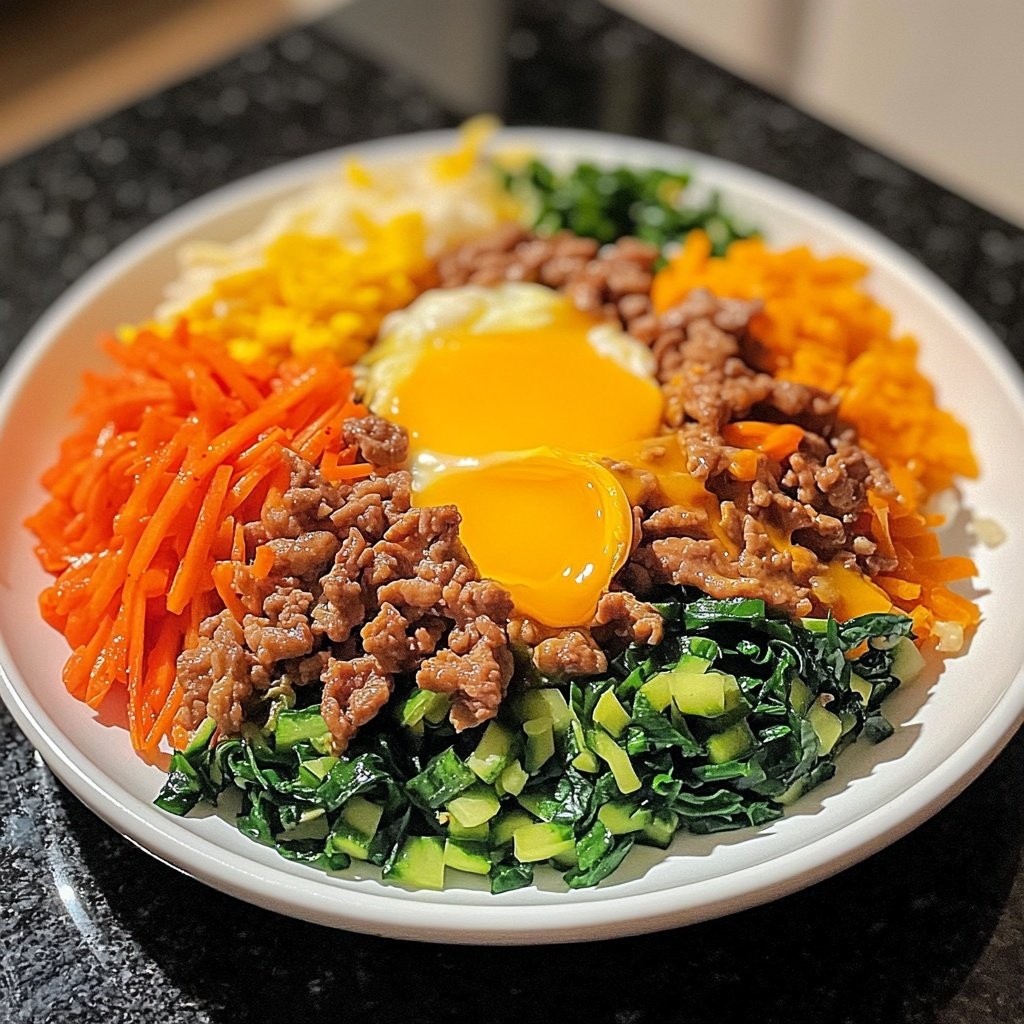
Bibimbap, which means 'mixed rice' in Korean, is a dish that is known for its colorful presentation and balanced flavors. It is perfect for those who enjoy a mix of textures and tastes, making it a beloved staple in Korean cuisine.
Why You Will Love This Recipe
- A colorful and nutritious meal in one bowl
- Customizable with your choice of vegetables and proteins
- Deliciously spicy with a hint of sweetness from the gochujang sauce
The History of Bibimbap
Bibimbap, which translates to 'mixed rice,' has a rich history that dates back to the Joseon Dynasty in Korea. Originally considered a meal for the royal court, it has transformed into a beloved dish enjoyed by people from all walks of life. Traditionally, leftover vegetables and rice were mixed together to create a nutritious meal, making it a practical choice in ancient times.
Each region in Korea has its own variation of bibimbap, showcasing local ingredients and flavors. From Jeonju's famous bibimbap, known for its unique toppings, to the spicy variations found in Busan, this dish reflects the diversity of Korean culinary traditions. Today, bibimbap is celebrated worldwide, often featured in Korean restaurants and as a popular takeout option.
Nutritional Benefits
Korean Bibimbap is not only visually appealing but also packed with essential nutrients. The combination of fresh vegetables, rice, and protein makes it a balanced meal. Spinach is rich in iron and vitamins, while carrots and zucchini provide antioxidants and fiber, supporting overall health and digestion.
Furthermore, the use of gochujang adds a unique flavor profile along with potential health benefits. Gochujang is known for its probiotic properties, which can aid in digestion and boost immunity. By customizing your bibimbap with lean proteins such as chicken or tofu, you can enhance its nutritional value, making it a wholesome choice for any meal.
Customization Tips
One of the best aspects of bibimbap is its versatility. You can tailor this dish to suit your dietary preferences or seasonal ingredient availability. For a vegetarian option, incorporate tofu or tempeh as your protein source. If you're looking for something heartier, try adding beef or chicken marinated in Korean spices for an authentic touch.
Additionally, feel free to experiment with different vegetables. Bell peppers, radishes, or even kimchi can add exciting flavors and textures to your bibimbap. The key is to maintain a balance of colors and flavors, ensuring a satisfying mix in every bite.
Ingredients
For the Bibimbap
- 2 cups cooked rice
- 1 cup spinach, blanched
- 1 cup carrots, julienned
- 1 cup zucchini, julienned
- 1 cup bean sprouts, blanched
- 2 eggs
- 1 cup sliced mushrooms
- 1 tablespoon sesame oil
- Salt to taste
For the Gochujang Sauce
- 2 tablespoons gochujang (Korean red pepper paste)
- 1 tablespoon sesame oil
- 1 teaspoon sugar
- 1 teaspoon soy sauce
- 1 teaspoon rice vinegar
Feel free to customize the vegetables and proteins to your liking!
Instructions
Prepare the Vegetables
Heat sesame oil in a pan over medium heat. Sauté the mushrooms until soft, then set aside. Sauté the carrots and zucchini separately until tender, adding salt to taste.
Cook the Eggs
In the same pan, fry the eggs sunny-side up or to your desired doneness.
Prepare the Sauce
In a small bowl, mix together gochujang, sesame oil, sugar, soy sauce, and rice vinegar until smooth.
Assemble the Bibimbap
In a bowl, place a serving of rice at the bottom. Arrange the sautéed vegetables, spinach, and bean sprouts on top. Add the fried egg in the center and drizzle with gochujang sauce.
Serve
Mix everything together before eating and enjoy your homemade Korean Bibimbap!
Serve immediately and enjoy the vibrant flavors!
Pro Tips
- Use seasonal vegetables for the best flavor and freshness.
Storing Leftovers
If you happen to have leftover bibimbap, it can be easily stored for later enjoyment. Simply place the components in separate airtight containers to maintain freshness. The rice, vegetables, and sauce can typically last in the refrigerator for up to three days.
When you're ready to eat, reheat the rice and vegetables in a pan or microwave before adding the fried egg and sauce. This way, you can enjoy a delicious meal without compromising on taste or texture.
Serving Suggestions
Bibimbap is perfect as a standalone dish, but it can also be served with a variety of sides. Consider pairing it with traditional Korean sides like kimchi, pickled radishes, or a refreshing cucumber salad to elevate your meal experience.
For those who enjoy a bit of heat, serve extra gochujang on the side for drizzling or dipping. This adds an extra kick and allows each diner to customize their spice level according to their preference.
Questions About Recipes
→ Can I make this dish vegetarian?
Absolutely! You can omit the egg or use a plant-based alternative.
→ What other proteins can I add?
You can add grilled chicken, beef, tofu, or even shrimp for extra protein.
→ How do I store leftovers?
Store leftovers in an airtight container in the refrigerator for up to 2 days.
→ Can I make the gochujang sauce ahead of time?
Yes, you can prepare the sauce in advance and store it in the refrigerator for up to a week.

Korean Bibimbap
Created by: Florence Keaton
Recipe Type: Favorite World Food Recipes
Skill Level: Intermediate
Final Quantity: 2 servings
What You'll Need
For the Bibimbap
- 2 cups cooked rice
- 1 cup spinach, blanched
- 1 cup carrots, julienned
- 1 cup zucchini, julienned
- 1 cup bean sprouts, blanched
- 2 eggs
- 1 cup sliced mushrooms
- 1 tablespoon sesame oil
- Salt to taste
For the Gochujang Sauce
- 2 tablespoons gochujang (Korean red pepper paste)
- 1 tablespoon sesame oil
- 1 teaspoon sugar
- 1 teaspoon soy sauce
- 1 teaspoon rice vinegar
How-To Steps
Heat sesame oil in a pan over medium heat. Sauté the mushrooms until soft, then set aside. Sauté the carrots and zucchini separately until tender, adding salt to taste.
In the same pan, fry the eggs sunny-side up or to your desired doneness.
In a small bowl, mix together gochujang, sesame oil, sugar, soy sauce, and rice vinegar until smooth.
In a bowl, place a serving of rice at the bottom. Arrange the sautéed vegetables, spinach, and bean sprouts on top. Add the fried egg in the center and drizzle with gochujang sauce.
Mix everything together before eating and enjoy your homemade Korean Bibimbap!
Extra Tips
- Use seasonal vegetables for the best flavor and freshness.
Nutritional Breakdown (Per Serving)
- Calories: 550 kcal
- Total Fat: 20g
- Saturated Fat: 4g
- Cholesterol: 180mg
- Sodium: 600mg
- Total Carbohydrates: 80g
- Dietary Fiber: 5g
- Sugars: 5g
- Protein: 16g